How To Write a Business Proposal? 8 Steps with Tips
Writing a good business proposal is essential for attracting clients and growing your business. A well-prepared proposal can be the key to winning new opportunities.

This guide will show you, step by step, how to write proposals that highlight your services effectively and help you stand out from the competition.
What is a business proposal?
A business proposal is a formal document that a company creates to offer products or services to a potential client. Unlike a business plan, which is a comprehensive overview of your business, a business proposal focuses on a specific project or service that will address the needs of a potential client.
Here’s where you explain what you’re bringing to the table and why you’d be a good fit for the project. Business proposals can be solicited, where a potential client has requested a proposal, or unsolicited, where the company initiates the proposal without a prior request from the client.
Types of business proposals
Unsolicited business proposals
Sometimes you reach out first - sending a proposal even though the client hasn’t asked for one. They are often used to present new products or services to potential clients and require a strong understanding of the client’s needs to be effective.
These proposals must grab the recipient’s attention and clearly outline how the proposed solution can benefit them. To make unsolicited proposals effective, conduct thorough research on the client’s business, highlight unique selling points, and offer personalized solutions.
Solicited business proposals
You write a solicited proposal when a client reaches out and asks you to send one. That request can take different forms, a Request for Proposal (RFP), a Request for Quotation (RFQ), or a Request for Information (RFI), each asking for a slightly different type of response.
In this case, you’re expected to stick closely to what the client asked for and show that you truly understand what they’re trying to achieve. When replying to a formal request, don’t skim it. Take the time to go through it properly and respond to each point they’ve outlined. The client should be able to see that you’ve paid attention and prepared your proposal specifically for them, not recycled something you’ve sent before.
How to write a business proposal
1. Start with a title page
The title page should include the proposal title, your company name, the client’s name, and the date of submission. It sets the stage for your proposal and should be professional and visually appealing to create a good first impression.
This is the first page your client will look at, so it’s worth keeping it tidy, clear, and easy to scan. A good title page makes your proposal look polished and well-thought-out.
Using Publuu can enhance the visual appeal and professionalism of your proposal thanks to its branding features, ensuring your proposals reflect your brand identity.
2. Prepare a table of contents
A table of contents makes it easier for the reader to move around the document without getting lost. It lists all the sections and subsections along with their page numbers, making it easier for the client to find specific information.
Consider creating interactive PDFs with links to sections for even easier navigation. With tools like Publuu, you can add clickable sections so clients can move straight to what interests them instead of scrolling through the entire document.

3. Write an executive summary
The executive summary gives the reader a quick snapshot of what your proposal is about and what matters most. It should explain why you are submitting the proposal, summarize your company’s qualifications, and present the main benefits of your proposed solution.
Writing a compelling summary is important to grab the client's attention. It needs to get to the point fast - showing why your proposal matters to them and why your approach stands out.
4. Create a main body of your proposal
The main section of the proposal is where you describe the client’s problem and walk them through how you plan to solve it.
 Detail the problem or need
Propose a solution
Clearly identify the client's problem or need. Showing you understand their challenges is important and helps build trust and shows your capability to solve them.
Present your product or service as the best solution to the client's problem. It should include methodologies, approaches, timelines, and other relevant details that show how your solution will address the client’s needs.
Break down your solution into clear steps and show how each step will help solve the client's problem.
 Want to know more? Check our guide on business writing in our Knowledge Base!
5. Detail pricing
Clearly outline the pricing for your proposed solution, including any optional services or packages. Lay out your pricing clearly from the start. If everything is explained upfront, you avoid confusion, and uncomfortable conversations, later on.
Research and competitive pricing are important to ensure to make your proposal is attractive. Explain what each cost includes and why it is necessary.
Offering different pricing options can help clients choose a package that fits their budget. Using Publuu’s interactive features can help present your pricing in a clear and visually appealing way.
6. Outline terms and conditions
Add the terms and conditions that would apply if the client decides to move forward. Here you spell out the practical details - how and when you’ll be paid, how long the project will take, and the ground rules both sides are agreeing to.
Make sure everything is clear and consider legal issues. Write this part in plain language so both sides know exactly what they’re agreeing to. It's a good idea to get legal advice to ensure everything is covered.
7. Summarize with a conclusion
The conclusion should briefly repeat the main points of your proposal and explain why your solution is the best choice for the client. It should also provide a call to action, encouraging the client to take the next steps.
This is your final chance to make an impression, so restate the key benefits and make it easy for the client to say yes. Tools like Publuu make it easy to share your business proposal and track how the client interacts with it, helping you follow up effectively.
8. Leave space for signatures
Provide space for signatures to make it easy for the client to accept the proposal formally. This might include signature lines for both parties, along with dates, to make the proposal official.
Include any additional instructions or notes that might be necessary to guide the client through the signing process for quick approval.
Business proposal example
Types of customer requests
Customer requests for business proposals can vary and are typically categorized as Requests for Information (RFI), Requests for Proposal (RFP), or Requests for Quotation (RFQ). Each type of request has specific requirements and focuses on different aspects of the proposed solution:
Requests for Information (RFI)
An RFI is an initial request used to gather basic information about available services or products. It usually includes broad questions meant to get a sense of what each vendor can actually offer. Clients use RFIs to explore options and choose potential suppliers before making detailed requests.
Requests for Proposal (RFP)
An RFP outlines the client's specific needs and requirements. It usually spells out what the project aims to achieve, what needs to be delivered, the expected timeline, and how proposals will be assessed. Through an RFP, clients collect detailed offers from different vendors so they can review their options and decide which one fits best.
Requests for Quotation (RFQ)
An RFQ is used to get detailed pricing information for specific products or services. It clearly states the quantities, the exact specifications, and the expected delivery dates. An RFQ is mostly about pricing - clients compare quotes side by side and choose the one that works best within their budget. Based on those details, vendors prepare detailed price quotes that match the client’s specifications.
Business proposal templates
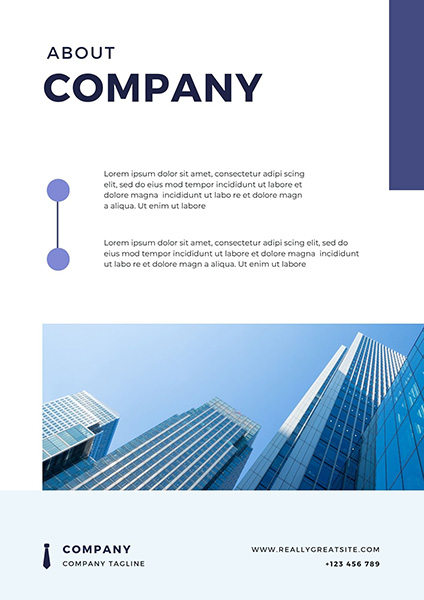
As Proposify research shows, using templates makes creating business proposals easier and faster. Many resources, like Canva, or Microsoft Office, offer free templates that you can customize to fit your specific needs. Most ready-made templates already include the standard sections, so you’re less likely to overlook something important when putting your proposal together.

Tips for writing a business proposal
If you want to put together a strong proposal, keep these practical tips in mind:
- Understand the client’s needs
Spend some time getting to know the client’s business, the industry they operate in, and the challenges they’re facing. Tailor your proposal to meet their needs and show you understand their goals and issues.
- Customize the proposal
Don’t just fill in a template and send it as it is. Take a moment to adjust it so it actually reflects the client you’re writing to. Adjust every proposal so it reflects the client’s situation and the realities of their industry. They’ll notice you didn’t just reuse the same proposal you send to everyone else.
- Use clear and concise language
Keep your writing straightforward and easy to understand. Skip the buzzwords and overly complicated sentences. Clear and concise language helps communicate your message and keeps the client's attention.
- Include data and testimonials
Add data, statistics, and testimonials to support your claims. If you can point to specific projects you’ve completed and include a few words from satisfied clients, it makes your proposal feel far more credible.
- Use graphics and multimedia
Long blocks of text can be hard to get through, so it helps to break them up with a chart or an image. According to Proposify’s data analysis, including images in a proposal improves close rates. Additionally, consider using videos to make it more dynamic and easier to understand.
- Revise and edit your proposal
Go through the entire proposal once more and check for anything that might have slipped through. Take the time to fix any grammar or spelling errors and double-check that everything you’ve included is accurate and easy to follow. Editing makes the document better and more professional.
- Use professional tools
Tools like Publuu make your proposals interactive and professional-looking. They allow easy sharing and let you track how clients use your proposal. It also helps you keep the look and feel consistent with your brand. You can also make quick updates, keeping them up-to-date and accurate.
Key points for writing a business proposal
Understand the client’s needs and tailor your proposal to address them.
Be clear and concise in presenting your solution and its benefits.
Keep the layout organized and professional, with clear sections such as a title page, table of contents, and executive summary.
Detail your pricing and terms clearly to avoid any confusion.
Summarize the proposal effectively and provide a call to action for the client to follow up.
Conclusion
Writing a business proposal is crucial to winning clients and growing your business. By understanding the client's needs, customizing your proposal, and using clear, concise language, you can create a strong proposal. Support your claims with real numbers, client feedback, and visuals that help illustrate your points.
Thorough proofreading and the use of professional tools like Publuu can further elevate your proposal's quality and effectiveness. When you approach the process thoughtfully and stay organized, writing proposals becomes much smoother - and you give yourself a better shot at landing new work.
You may be also interested in:
What Is a Company Profile?