Online Shopping Catalog vs Paper Catalog – Which One Works Best?
From the newest fashion collections to timeless product lines, catalogs have always captured attention. They existed long before the internet, and even in 2026 they still play a major role in how brands showcase and sell. Their appeal lies in storytelling, aesthetics, and how they connect people to products.
Do you run a business that needs visibility? Great! All you need are high-quality visuals and a smart publishing strategy. After all, a good catalog is all about experience and clarity. But here’s the question: should you publish it digitally, in print, or both? Let’s explore which approach works best today.
Publuu - an online shopping catalog maker (recommended)
If you decide that it's time for your catalog to make an appearance online, then you're in luck. Publuu offers the easiest publishing process on the market. How easy is it exactly?
As easy as posting a link on a Facebook page. And so, with just a flip of a switch, every single person with access to the internet can see what your shop has to offer. And if your business has a website as well, then you'll be happy to know that showing your catalog on a website is just as easy as posting it on your social media. Every interactive flipbook and every web kiosk has a built-in embedding feature.
What is "embedding"? It's incorporating content to your website.
It's easy. Elegant. No rigid WordPress frameworks. No CSS coding. And with just a simple blog post you can publish your entire shopping catalog - and make it look like you built your website just for this one purpose.
And the best part? Your catalog will look amazing. Like an example below:
Even if all you did was to scan a traditional, paper catalog that you used for years Publuu can make it look like it was made to be digital. With Publuu's flipbook feature, your digital catalog will flip pages, make sounds and behave like a fully animated customer experience.
But that's not all!
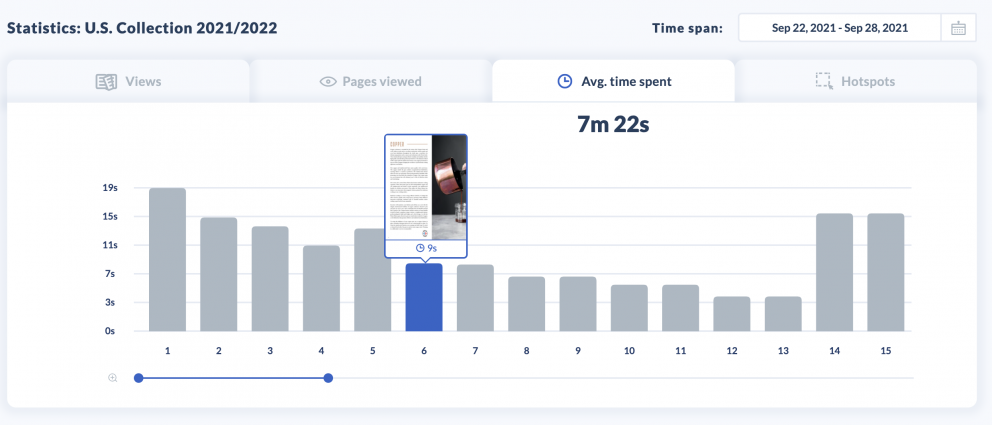
Every flipbook published with Publuu comes with a dedicated tracking system. This way you'll know exactly how your shopping catalog is performing. It's just as good as Google Analytics!
Benefits of a catalog
But if you are still wondering IF creating a shopping catalog can attract customers to your shopping cart, then look no further.
First, and foremost, shopping catalogs are comfortable. Whether you want people to order by phone (yes, it's still a thing) or just to let them know what you have to offer, nothing beats the comfort of one's own home. Your (soon to be) customers can sit comfortably in their favorite chair, listening to their favourite Spotify playlist while looking at your catalog. This experience can form a positive correlation between your products and their mood. And from there it's not too far for them filling in a shopping cart.
Paper catalogs in 2026 – their role today
It’s easy to assume everything happens online, but that’s not entirely true.
Printed catalogs still play a key role in certain areas:
-
Targeted or prestige editions: High-quality, limited prints for loyal customers that include QR or AR links to digital pages.
-
In-store or event materials: Tactile, visually rich catalogs that extend brand storytelling beyond screens.
-
Limited-connectivity regions: Paper remains useful where internet access is inconsistent.
-
Emotional branding: A well-crafted catalog can sit on a coffee table for months, keeping your brand visible and memorable.
Many brands now adopt hybrid strategies, smaller print runs combined with digital reach, balancing accessibility, cost, and sustainability.
Shoppers today no longer rely solely on paper catalogs. A growing share of customers are perfectly comfortable browsing and buying online, while printed editions have evolved into a powerful branding tool rather than a necessity.
Digital shopping catalog for seniors
Digital habits are changing fast. People of all ages now use smartphones, social media, and online marketplaces every day. The gap between generations has nearly disappeared – many over-60 consumers expect the same smooth, mobile-friendly experience as everyone else.
This creates an opportunity to make your catalog easy to navigate and visually accessible to all audiences. Use clear fonts, strong contrast, and intuitive layouts. Keep the design simple and interactions effortless – whether on desktop or mobile. Small improvements like readable text and smooth scrolling make browsing enjoyable for everyone, regardless of age or device.
Mobile and performance matter
Most catalogs are viewed on smartphones and tablets, so mobile optimization is crucial. Ensure layouts adapt smoothly, images load fast, and navigation is touch-friendly. Add deep links so readers can go directly from catalog pages to your store’s checkout. Accessibility and SEO best practices now make the difference between casual browsing and conversion.
Paper catalog vs digital - conclusion
So while there’s no universal report telling us which format is “better,” trends show that both serve distinct purposes. Online shopping has made digital catalogs essential for visibility and reach, while printed versions continue to add tactile value in stores and direct mail.
The key in 2026 is integration – using digital catalogs as your dynamic, interactive storefront, and physical ones as memorable brand touchpoints. QR codes, NFC, and AR bridges can merge both worlds into one seamless customer experience.
Neither format replaces the other. The most successful brands use each strategically – depending on their audience, goals, and resources.
You may be also interested in: