Engaging Educational Content – 2026 Guide
Educational content has changed a lot in just a few years. In 2026, it’s not only schools and online academies that are teaching - brands, influencers, and even small businesses are sharing knowledge through creative digital formats.
From short videos on TikTok and YouTube to online PDF flipbooks and AI-powered learning tools, education has become more open, visual, and personal than ever before. Modern educational content helps people learn faster and helps brands build stronger trust and connection with their audiences.

Why aren't education companies the only ones creating this type of content? Your company can do more than just inform your target audience; it can also build a strong relationship with them. In addition, establishing your brand as a leading authority in your field can lead to improved sales and financial outcomes.
Our guide will show you how to write educational content that aligns with your brand's goals, enhance its visibility online, and design it to draw crowds!
What is educational content?
Your company might already be producing educational content without realizing it.
Consider this: your company could be publishing content that educates or informs your audience about something new. Even if you don't describe them as "educational", they might already be serving that purpose!
Educational content creation is not just for schools, educational institutions, or courses for new employees. It includes all materials aimed at sharing knowledge. Whether it's about a specific topic, skill development, or a niche area, as long as there's something to learn from it, it qualifies as educational material.
Among others, educational content includes:
1. Webinars and online courses
These typically represent what we consider "educational" content. However, they're just one way to educate others online and provide practical skills.

Mastering how to sell online courses can increase the reach and impact of educational content, turning knowledge into an accessible and profitable business.
2. Blog articles
A blog serves as a platform to share knowledge and expert opinion in an accessible format. Most companies want their blog to feature interesting content, which often has an educational component.
3. Infographics
Infographics offer a visual presentation of information, making complex topics easier to understand. Like memes, they are frequently shared and can be very interesting, especially for those outside your industry.
4. Educational videos
They can highlight interesting topics or serve as how-to guides. With Publuu, you can embed video content into workbooks, to integrate PDF ebooks with interactive elements to enhance engagement.

For example, if a cosmetic company uses its blog to offer skincare tips and its YouTube channel to demonstrate how to apply its cream, it is already creating educational content. It's a great way to build trust, impart knowledge, and reinforce your position as an expert in your field.
Why educational content is crucial for your brand?
Educational content has become one of the most powerful ways to connect with audiences online. In 2026, people no longer want only ads - they want useful knowledge. If your company shares practical tips, mini-guides, or explainer videos, you’re already building trust and authority.
Investing in educational content builds trust and credibility: If you provide valuable knowledge, your company can position itself as an industry expert. This perception encourages users to view your company as a reliable source of information and advice, leading to increased traffic and customer loyalty. In this way, you build a strong reputation and network and also demonstrate your mastery of the field.
AI search and voice assistants are also changing how people find content online. Instead of typing keywords, many users now ask questions out loud or use tools like Google’s AI-powered Search or ChatGPT plugins to get instant answers. This means well-written educational content helps your brand appear in these new search results too.
Moreover, educational content increases your brand's perceived value. Users are more likely to engage with a brand that offers them valuable content. For example, you must choose between two cosmetics companies: both offer quality products, but one also guides you on choosing cosmetics based on skin tone. The latter is likely to receive more online shares and discussions thanks to its valuable content, thereby enhancing customer retention and the likelihood of recommendations.
In today's world when people are overwhelmed with all sorts of content, educational content becomes even more important. Customers tend to choose the brands that align with their priorities. Understanding what matters to your prospects and creating educational content that mirrors these interests is crucial.
8 strategic tips for creating impactful educational content
If you're looking for tips to boost the development of your educational content, we have some great advice. Our course on creating digital workbooks and using Publuu in design can also help you - as can the other tips found in our Knowledge Base.
In 2026, audiences are more digital, mobile, and visually focused than ever. People want clear, short, and interactive information. Whether they learn through TikTok tutorials, podcasts, or immersive 3D lessons, your content needs to be easy to understand and fun to explore.
Identify audience needs
Educational materials should respond to the specific needs of your audience. Understanding the problems they face while learning allows you to address your materials accordingly. For example, if your software uses unusual keyboard shortcuts, creating an infographic to illustrate these can be highly effective.
Age and other demographic factors also influence your audience's needs. For example, people over 60 increasingly use digital tools but still don't necessarily use podcasts or TikTok. Also, consider digital platforms where your audience spends their time. Retirees often use social media which doesn't pose much of a burden, while those aged 40-60 may prefer longer blog posts.

Retirees often frequent social media platforms that are easily navigable, whereas the 40-60 age group may show a preference for more in-depth content, such as longer blog posts.
Also consider AI analytics or social listening tools that can show you what questions your audience asks most often. These insights help you create content that feels personal and relevant.
Optimize content formatting
Many people just browse through the text with a glance before reading it in detail, which is why it's so important to format the content properly. Well-formatted content is easier to receive and understand.
Start by using clear headings and subheadings to organize your text. Use bullet points, visuals, and short paragraphs so readers can easily scan and understand your ideas. In 2026, mobile reading dominates - always check that your content looks good and loads fast on phones and tablets.
Incorporating photos, infographics, and videos enhances the content's appeal. Publuu allows you to embed videos in PDF files and add interactive galleries. With hotspots, you can integrate quizzes, surveys, and other interactive elements to engage your audience and encourage them to interact with your content.
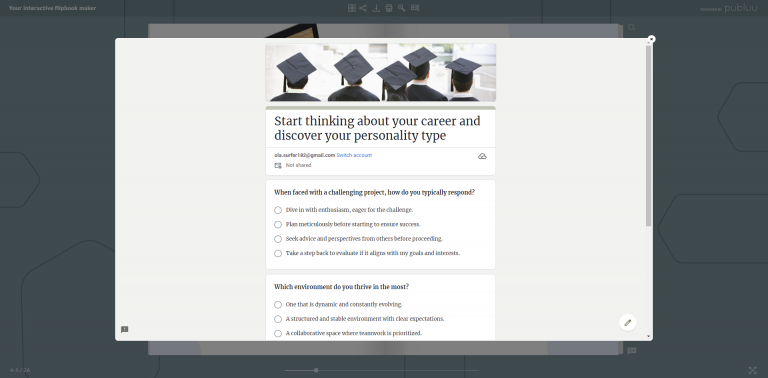
However, the text must be well-written above all. Numerous spelling and grammatical errors may discourage the audience from reading further.
You can also include AI voice narration or auto-translations to make your content accessible for people with different needs and languages. Accessibility is no longer optional; it’s a key part of modern educational design.
Add interactivities
Any experienced teacher will tell you that the best learning outcomes often occur naturally, almost by accident. Having dealt with teaching ourselves, we understand the importance of including engaging elements in educational content to turn learning into a fun activity. You can learn more about eLearning authoring software and tools here. These tools can include quizzes, surveys, educational games, or interactive videos, all of which can help in the educational process.
It's also important to remember that interactive content can help visualize and understand complex concepts. For example, Publuu's pop-up galleries integrated with infographics allow you to add detail to your presentation.
In 2026, interactive learning is stronger than ever thanks to AR and VR tools. You can now let users "step inside" your product training, explore 3D objects, or interact with virtual environments. Even simple quizzes or clickable animations can make learning much more enjoyable.
And let's face it: interactive content is simply more attractive and engaging than static text. This is especially important for younger audiences who are used to the digital world and expect an interactive experience.
Incorporate valuable links
Today, we live in the Internet - the World Wide Web is based on hyperlinks. Currently, students often think in terms of linking ideas together constantly connecting ideas, and exploring information across the web. This thinking style can't be ignored by modern educators!
If you link to visuals, films, infographics, or presentations outside your site, you may improve the overall quality of your educational material. Integrating external content with your messages allows students to explore materials on their own!
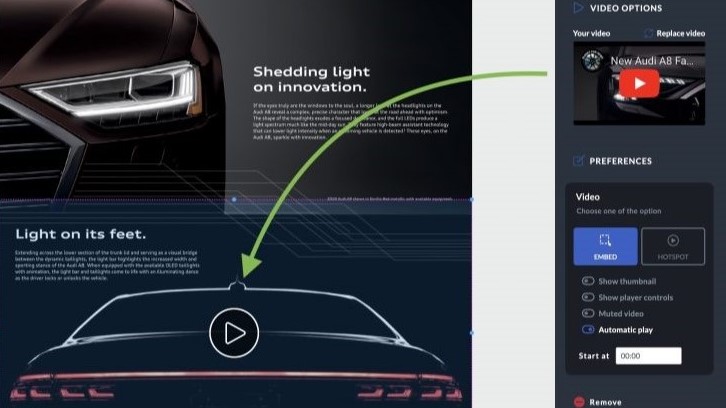
Linking to social media or other relevant sites lets students discuss complex ideas and ask questions - and active participation is crucial in the modern school!
Building trust is key, so remember to link to reliable sources: respected websites, scientific articles, and well-documented research. This not only demonstrates the legitimacy and depth of your content, proving it's grounded in solid information but also placing valuable links can improve the SEO of your content, making it easier to find.
Remember to use trustworthy and up-to-date sources - for example, link to verified data, recent studies, or well-known educational platforms. This builds credibility and improves your SEO performance, especially in the era of AI-generated search results.
Embrace Storytelling
Storytelling is a fantastic tool that can completely transform educational content, making it far more engaging than traditional textbooks. We all enjoy a good story, and many people often learn best through storytelling. We often remember facts better if we put them in context - for example, we learn how to use a device better if we imagine ourselves using it daily.
Storytelling offers more than just entertainment. It drives student engagement by allowing students to identify with the characters and the situations they experience, which strengthens their motivation to learn. Stories simplify complex concepts and abstract ideas in an accessible and understandable way: you just need to break them down into relatable anecdotes. They allow you to show cause-and-effect relationships and present different perspectives.

Publuu lets you showcase educational materials as an interactive book, so everyone can discover your content at their own pace and reach their educational goals. Including video content and interactive quizzes lets them immerse in storytelling and identify with the course content.
Storytelling in 2026 also often includes short-form videos or podcast-style voice stories. Many companies now share behind-the-scenes clips, customer experiences, or expert mini-interviews that teach and inspire. Simple, honest stories connect emotionally and make complex topics easier to remember.
Use real-world examples
Rely on relatable, easily understood knowledge that focuses on concrete facts. Even in abstract subjects, seek out examples that resonate with your audience: using specific examples helps both to put information in context and make it more general. For example, in a driving course, instead of using abstract top-down scenes, show photos from the driver's perspective. This will help your learners understand the scene.
Real-life examples are more relatable and engaging, helping readers visualize themselves after completing the course, which can boost engagement and motivation. They also make your educational content much more credible. Learning about the actual application of your tools excites users about what they will eventually accomplish with them!
Today, many creators use AI simulations or digital twins to show how their tools work in real situations. These visuals help people imagine real-life results, making your educational content more practical and engaging.
Use analytics
Creating educational content is only the beginning. In 2026, analytics tools powered by AI can help you understand not only what your audience reads or watches, but also how they feel about it. This allows you to personalize learning paths, improve user experience, and measure impact more precisely.
Online analytics provide valuable insights into your audience's demographics (age, gender, education), interests, online behavior, and more. This knowledge allows you to tailor your content to match your audience's language, knowledge level, and preferences. You need to understand the level at which your readers are, to ensure the knowledge provided doesn't overwhelm them.
Publuu lets you measure engagement: you can see how many people complete courses, watch videos, or engage with quizzes. If learners stop browsing your flipbook after page 12, analyze what engaged them initially and what caused them to lose interest. This helps you refine your content for better flow and understanding.
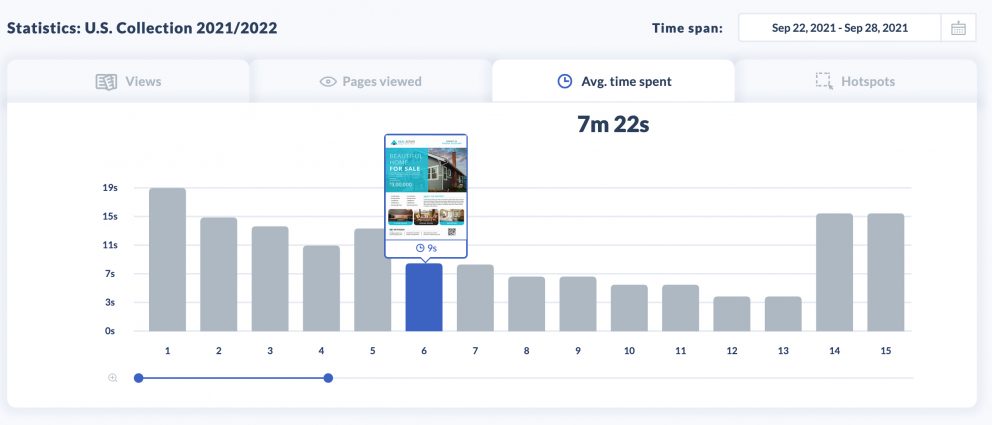
Analytics can help your marketing efforts by revealing how people discover your content (e.g., Reddit, Facebook) and identifying which channels generate the most traffic. With these insights, you can focus on high-performance channels or boost the less popular ones.
Always respect user privacy when collecting analytics. Transparency and data protection (like GDPR or CCPA compliance) are essential for keeping audience trust.
Work with experts
Hiring a consultant ensures your educational materials are well-conceived and accurate. Your educational resources should be reliable and reflect current scientific knowledge, as trustworthy information is the cornerstone of effective education.
Great educators can explain complicated ideas in a clear, efficient, and easily understood manner. Even if you're an expert in your industry (and I don't doubt that!), consider seeking assistance from a professional educator to enhance your course content. Hiring experts helps you establish your credibility in the subject matter.
Many brands now collaborate with AI educators or subject matter creators who combine human knowledge with technology. This helps produce courses that are both accurate and up-to-date with the latest research or market trends.
The benefits of leveraging educational content
In 2026, educational content has become part of every successful digital strategy. It’s not only about building trust - it’s about creating experiences people want to return to. Whether through personalized learning journeys, short explainer reels, or interactive eBooks, brands that teach are the brands that grow.
Enhanced brand image
When you create well-prepared multimedia resources, you're not just showcasing your products, you're establishing yourself as a source of valuable knowledge. Potential customers will come to your website not just to browse, but to actively learn from your expertise.
Our partners report that after introducing educational content in Publuu flipbooks, they saw a surge in website traffic and, more importantly, people confidently approaching them with questions. The more people recognize you as an expert, the stronger your brand is, and it's easier to connect with potential customers.
Increase brand awareness
Apart from establishing yourself as an expert, you also get your name out, building brand recognition in addition to brand awareness.

For example, if your infographics go viral, people outside your industry will see your logo and link to your website. Over time, they'll start to recognize your style and product offering. Publuu enables you to display infographics using our amazing interactive flipbooks.
Educational content is a great way to widen your audience and enhance market awareness. Your knowledge can be discovered in the most unexpected places, and it's likely that many there have not yet heard about you.
You can now see great examples from companies like HubSpot Academy, Adobe Creative Skills, or Duolingo Max, which all use free education to attract and retain loyal audiences.
Drive traffic and generate leads
What do you most often type into search engines? Chances are, it's a question you need answered, not a specific product to buy. Search trends confirm this - most queries are questions, not brands! If you create educational content, you're the answer, not just another ad.
Most customers are actively seeking knowledge, which is why they can become interested in your product and service. If you have enough educational content, they can become engaged and start trusting your brand. It's a crucial element in a customer's journey!
Publuu allows you to create educational materials that stand out and remain memorable, providing answers to the questions your potential customers are asking.

Community building
The education industry thrives on connection, whether through physical or online learning. To learn, you have to exchange experiences and understand. Platforms like Duolingo, with their active forums, exemplify this by connecting learners worldwide.
This means that you have a chance to create a community sharing their experiences and recommendations, and can rely on word-of-mouth content marketing, which can also be great for your branding!
Examples of engaging educational content
Educational content in 2026 goes far beyond simple videos or PDFs. Many organizations are now using AI tutors, interactive 3D lessons, and short-form learning videos. For instance, Khan Academy introduced Khanmigo, an AI-powered learning assistant that helps students practice at their own pace. Similarly, Canva and Gamma allow brands to design visual, story-based guides in minutes.
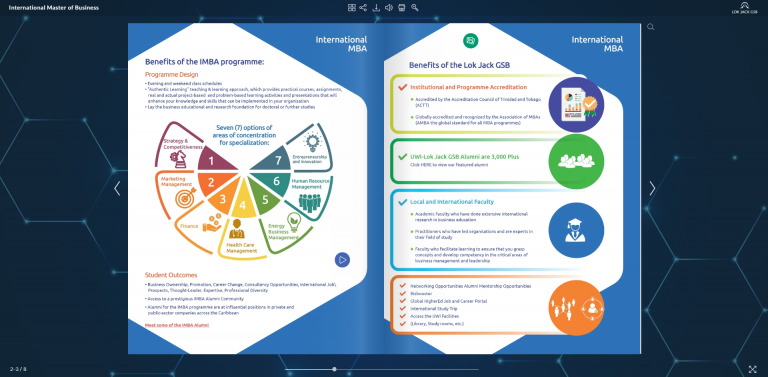
Our partners at Arthur Loj Jak School of Business created this interactive flipbook. It helps them effectively promote their school and distribute educational materials to students. With the technologies provided by Publuu, you can enhance the learning experience for everyone!
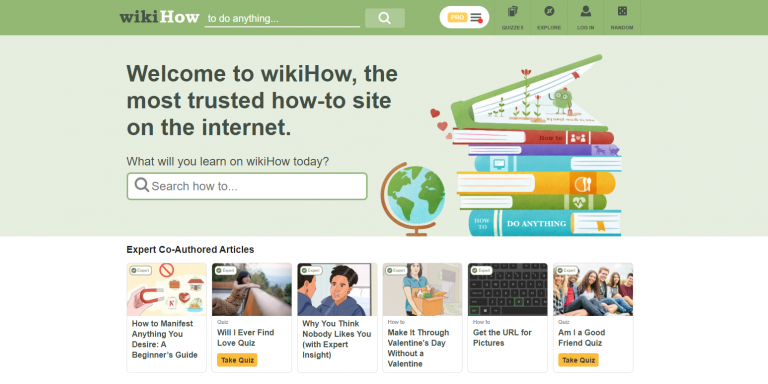
One of the most often visited places online is wikiHow. This user-generated database provides answers to various questions, whether asked by the youth or older net users. Thanks to the combination of user-driven engagement, community building, and active moderation, it can play a crucial role in the lives of millions!
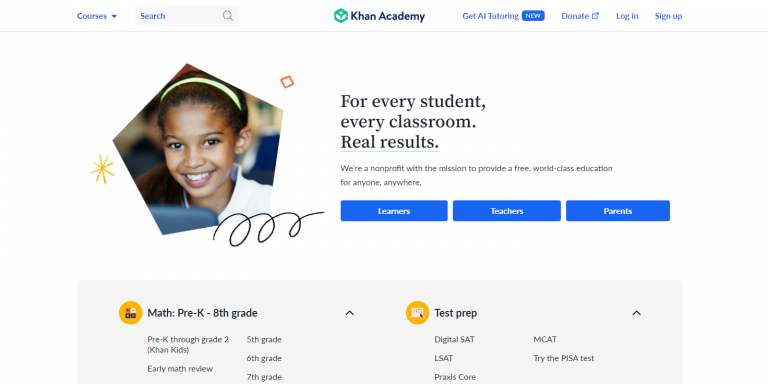
Khan Academy is a non-profit website that shares a lot of its educational content completely for free for a wide audience. You can examine what they use for teaching and learning: exercises, interactive films, and programming tutorials, and base your educational content on their ideas.
Conclusion
Educational content in 2026 is more than just information - it’s a bridge between knowledge and experience. Whether you’re a teacher, a business, or a creator, sharing what you know helps build real trust and connection with your audience.
Use today’s digital tools, from AI assistants to interactive design platforms, to make your content clear, fun, and easy to learn from. By teaching with care and creativity, you’re not just promoting your brand, you’re shaping the way people learn in the future.
You may be also interested in:
Innovative Teachers Tools
The Best Software for Teachers