What is branded content? Definition, examples, and how it works
Many people look for ways to promote their brand without interrupting or annoying their audience. That’s why they turn to branded content – a form of marketing that focuses on storytelling rather than traditional ads.
Instead of pushing products, branded content delivers something valuable: entertainment, education, or inspiration. It can be a video, article, podcast, or any format that feels natural and engaging to the audience.
What is branded content?
Branded content is a type of marketing that focuses on delivering valuable stories or experiences – not on directly promoting a product. It emphasizes ideas, emotions, and narratives instead of features or pricing.
Unlike traditional advertising that tries to persuade immediately, branded content aims to engage, educate, or inspire, helping people connect with a brand in a more authentic and meaningful way.
How branded content works?
Branded content builds trust by focusing on what the audience cares about, not on selling. When brands create stories that reflect real needs and emotions, people naturally pay attention – which is also a core principle of digital engagement.
Authentic storytelling is key. Whether it's a film, an article, or an interactive publication, the experience (not the product) is at the center. Formats like e-catalogs or digital magazines can make this even easier to achieve, especially when created with tools designed for online storytelling.
When content resonates, people engage and remember the brand, moving from awareness to loyalty without feeling pressured to buy.
💡 Related reading: Building a powerful brand identity
Branded content vs. traditional advertising
Traditional ads push you to buy now. Branded content focuses on building a relationship so people naturally like and trust the brand.
Trait | Traditional advertising | Branded content |
Goal | Drive immediate sales | Build brand trust and authority |
Format | TV / radio ads, banners, print | Videos, ebooks, blogs, documentaries |
Placement | Interrupts what you’re watching | Content people choose to see |
Message | Features, price, promotions | Stories, values, education |
Perception | Intrusive or annoying | Valuable and enjoyable |
Engagement | Passive | Active and shareable |
Lifespan | Short, campaign-based | Evergreen, long-term |
Metrics | Impressions, clicks, quick sales | Engagement, sentiment, loyalty |
Trust | Lower | Higher (value first) |
Traditional advertising pushes for an immediate sale: "Here’s our product - buy it now".
Branded content works the opposite way. It offers something interesting or useful first, building trust and long-term loyalty. Instead of trying to sell instantly, it encourages people to like the brand enough to return later.
Key characteristics of effective branded content
Not all branded content works. The best examples share a few simple traits and none of them rely on logos or hard selling.
✔️ It stands on its own - even without the brand name, the content should be useful or entertaining. If it feels like an ad disguised as content, it fails.
✔️ It aligns with the brand - tone and style must feel natural. Content should reflect who you are, not what’s trending.
✔️ It focuses on the audience - the message should answer the audience’s needs, not the company’s desire to talk about itself.
✔️ It is honest - people quickly notice when something feels inauthentic. Real actions and transparency build trust.
✔️ It encourages interaction - quizzes, comments, polls, or interactive elements invite users to engage rather than passively watch.
Benefits of using branded content
Branded content is effective because it delivers value traditional advertising rarely offers. It helps brands build recognition naturally, as people discover videos, guides or stories because they’re genuinely interested, not because something interrupts them. It also boosts credibility by positioning the brand as a helpful source of knowledge or inspiration.
This approach increases engagement. Strong content, whether it’s a podcast or an interactive publication, stays with the audience longer, encourages sharing and turns casual interest into loyalty. Another advantage is longevity. While ads stop working when the budget ends, evergreen content such as ebooks or videos can generate traffic, support SEO and capture leads for years.
Branded content examples
Decathlon’s Publuu interactive flipbook
Publuu’s online flipbook example
MAKE YOUR OWN
Decathlon uses a digital catalog to blend product information with lifestyle-driven storytelling. Rather than listing items, the content focuses on visuals, movement, and short narratives that show how people use the brand’s gear. The result feels more like a magazine than a sales brochure.

To promote the 2023 Barbie movie, Mattel partnered with over 100 brands to release themed posts, filters, and giveaways. The coordinated wave of fun, shareable content helped the film surpass $1 billion in revenue and became a showcase of how collaboration can amplify branded storytelling.
Red Bull: adventure videos on YouTube

Red Bull produces high-energy adventure videos featuring athletes and creators, never directly promoting its product. By consistently telling stories of thrill and extreme sports, the brand reinforces its identity and attracts millions of viewers to its YouTube channel and Red Bull TV.
Bolt: video for faster checkouts
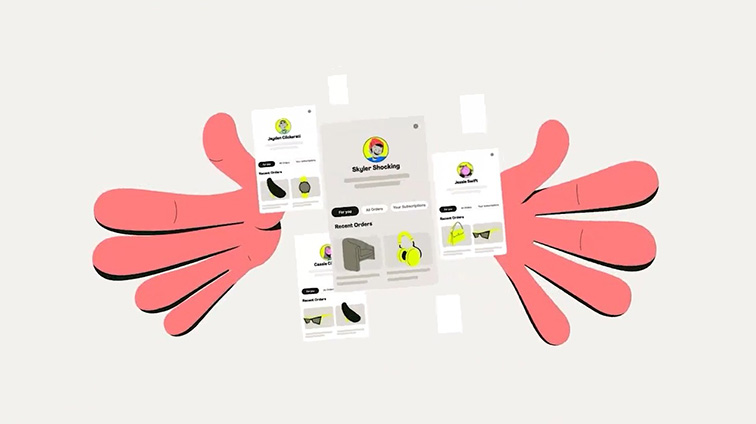
Bolt partnered with Superside to create a short 3D animation presenting its fast, seamless checkout experience. The playful tone matched the brand’s personality and increased their creative output by 600%, showing how a simple explainer can become effective branded storytelling.
Miro: collaboration tool explainer
Miro’s concise explainer video shows how remote teams work together using its platform. Every scene supports the core message, making the product easy to grasp while reinforcing Miro as a leading tool for digital collaboration.
How to create branded content?
You don’t need a Hollywood budget to make branded content work – just a clear process and a strong focus on what your audience truly cares about:
⭐ Know your audience and goal - identify who you’re speaking to, what they need, and define a clear objective (awareness, leads, loyalty).
⭐ Choose the right format - pick formats your audience prefers: articles, videos, podcasts, or content like interactive flipbooks.
⭐ Add your unique angle - offer something only your brand can provide: practical advice, behind-the-scenes insight, customer stories, or expert commentary.
⭐ Follow a simple story structure - grab attention, provide value, show proof, and guide the user to a next step.
⭐ Design and distribute well - make it visually appealing, keep branding subtle, and share it across channels while repurposing it into new formats.
How to measure branded content success?
Branded content isn’t about immediate ROI, it’s about long-term relationship building. Here’s what to track instead:
- Engagement: time on page, shares, comments, and saves reveal how compelling the content is.
- Brand sentiment: monitor social media and reviews to see whether people talk about your brand positively.
- Lead quality: track whether engaged users later become customers.
- SEO impact: check if your content ranks for relevant keywords and attracts organic traffic.
- Loyalty metrics: repeat visits, newsletter sign-ups, and customer retention show lasting impact.
Branded content best practices
Effective branded content rarely feels like marketing. It earns attention by offering something genuinely useful or interesting, allowing trust to build naturally rather than through visible promotion.
That trust strengthens over time when brands show up consistently with thoughtful content. Familiarity makes audiences more receptive, especially when the content feels intentional instead of occasional.
Context also plays a key role. Content performs best when it fits the environment it appears in – quick, visual pieces on social platforms and deeper storytelling where people expect to spend more time.
What ultimately sets strong branded content apart is authenticity. Real stories and honest perspectives resonate far more than polished marketing language, and when the experience feels effortless, the message has space to land.
Common branded content mistakes to avoid
Even strong branded content can fall flat when a few common mistakes creep in – usually when content starts behaving more like advertising than communication.
1. Turning content into an ad
When every paragraph subtly pushes a sale, audiences quickly lose interest. Branded content should stand on its own and deliver value first, earning attention through insight, education, or entertainment rather than promotion.
2. Ignoring real customer problems
Content built around internal ideas or assumptions rarely resonates. People engage when brands address real questions, frustrations, and challenges they actually face.
3. Inconsistent tone and style
A polished ebook paired with chaotic social posts sends mixed signals. Consistent voice and visuals help build recognition and trust over time.
4. Publishing and forgetting
Even great content won’t perform if it’s posted once and left behind. Promotion, repurposing, and distribution are what give branded content real reach and longevity.
5. No clear next step
Without guidance, even interested readers may simply move on. A subtle, relevant next step helps turn attention into meaningful engagement.
The future of branded content
As ad blockers, subscription platforms, and growing skepticism reduce the impact of traditional advertising, branded content continues to rise. People want stories, not interruptions – which is why formats built around genuine value will dominate the future.
Expect to see even more short video series, podcasts, interactive digital experiences such as catalogs or flipbooks, and user-generated content created in partnership with audiences. Brands that succeed will act less like advertisers and more like publishers, consistently delivering content people choose to engage with.
Final thoughts on branded content
Branded content works because it focuses on stories, solutions, and real value – not on pushing products. When you create material that people genuinely want to read or watch, trust grows naturally.
Turn your ideas into formats that your audience actually wants to engage with and let clear, consistent storytelling strengthen long-term trust. If you need a simple way to present content in a structured, interactive format, flipbooks can be one of the tools you use – but the story itself is what matters most.
You may be also interested in:
Marketing strategy: what it is and how to create one in 2025
How to increase online sales – tricks and tips