Real Estate Lead Generation Tools and Strategies
Finding leads is the most important part of real estate. One sale a month can be enough to stay in business, so you can't afford to lose any potential clients.
There is no single "magic formula". Success comes from using the right tools and talking to the right people. We'll share our best tips and show you how online flip books can help you attract more clients.
What are real estate leads?

A lead is simply a person interested in your services. In real estate, lead generation is the art of finding these people, winning their trust, and guiding them toward a deal. It's largely based on understanding client needs and effective communication.
We can divide real estate leads into three categories:
✔️ Cold: These are people you have absolutely zero connection with. You're reaching out to people who are not familiar with you or your services.
✔️ Warm: Here, you've already laid some groundwork. You've had a chat or two, maybe they've checked out your website or followed you on social media. They seem interested, but not fully decided yet.
✔️ Hot: These are the people who are already standing there with cash in their hands, just waiting to sign the paperwork with you.
The goal is to "warm up" your leads by turning strangers into ready buyers. In today's market, this requires a balance between smart automation and a genuine human touch.
You can see exactly how this works in the presentation below. It's designed to grab attention way faster than a boring PDF or a dry property listing. Once people are hooked on the style, you can start introducing the strategies we discuss in the next steps.
Publuu's interactive flipbook example
Why traditional lead generation is getting harder?
Prices are going up, so buyers are more careful. Experts report that fewer and fewer houses are being sold in the USA and Western Europe. Physical posters around town aren't as effective as they used to be, and the online market is crowded. With 96% of home buyers searching online, everyone is fighting for the same click.
Buying ads on Google or Facebook can quickly drain your budget sometimes before you even figure out which campaign is actually bringing in leads. It's no longer enough to just show a random ad to a potential client. You have to approach every lead with respect and offer something valuable. That's why creative marketing is your best way to stand out right now. Instead of only chasing new, cold leads, you should focus on building relationships with the warm leads you already have. Stay in touch and offer them helpful advice - not just when you're selling something, but also when there's nothing to gain immediately.
Proven strategies to generate real estate leads
Content marketing for real estate

Don't forget that good content does more than just grab attention; it makes clients trust your expertise from the very first click. Plus, Google loves it, which helps your SEO. Back in the day, every agent had to have a blog, but now everything's changing. If you're dealing in properties, you can't work without a camera anymore. Grab a drone and film your properties from the air. Apparently, those videos are five times better than just snapping regular photos.
The Keller Williams office in Lexington, Kentucky, began integrating drone shots and video tours into its listings. After implementing those changes in their marketing, the Keller Williams office shot up to be the number one producer in the Lexington area.
Social media and online presence

While content is what you show, your online presence is how you connect. Most of the leads can be found through Facebook, Instagram, or LinkedIn. But it's not about spending big money on ads right away. You need that so-called "organic" approach, with heart and personality. Many clients say they are ready to cooperate with an agent who has a strong social media presence. Post something useful every week: a market guide, a quick tour, or a breakdown of a local spot that makes people want to move there.
Your website, on the other hand, is your command center. People come in, look around, browse your listings, and decide whether they trust you. You need a sharp, well-designed site, solid SEO, and a Google Business Profile so people can find you on the map. Good SEO is what keeps the traffic coming in without you having to pay for every single click.
A luxury real estate agency in Miami started posting weekly neighborhood highlight reels on Instagram - not listings, but lifestyle content: coffee shops, parks, local events. Within six months, their follower count tripled and they started receiving direct inquiries through DMs from buyers who had never heard of them before.
Referrals and networking
We all know the deal: nothing seals a deal better than good old-fashioned word of mouth. You can show someone hundreds of listings, but when a trusted friend says - "This is the agent I worked with", the conversation starts at a completely different level.
Around 40% of buyers find their agent through a friend, neighbor, or relative. For those buying their first home, these personal recommendations are the most important factor in choosing an agent - sometimes even more than price or location. After all, a recommendation from a happy client is your strongest sales tool.
An agent in Chicago started a monthly "Know Your Neighborhood" podcast series covering local history, restaurant openings, and community events. Within a year, she had become the go-to name in her area - not because she advertised, but because people kept sharing her episodes.
Local marketing and events

To become a leader in the real estate industry in the local market you have to be visible. I know, after a long week, the last thing you might want is to spend Saturday at a fair, but that's where the best connections happen. Be present at all local festivals, concerts, and fairs... and maybe even try organizing events yourself. Host "open houses", meet interesting people, start podcasts, and sponsor events for young people.
A real estate team in Austin started hosting free first-time homebuyer workshops at a local coffee shop once a month. No sales pitch - just education. Within three months, over 60% of attendees had reached out for a consultation, and several became clients.
Real estate lead generation tools and software
Success in this industry depends on having the right tools. The market moves too fast for pen and paper. You need tech that manages the mess for you, so you never miss a call or let a warm lead go cold.
Publuu (recommended)
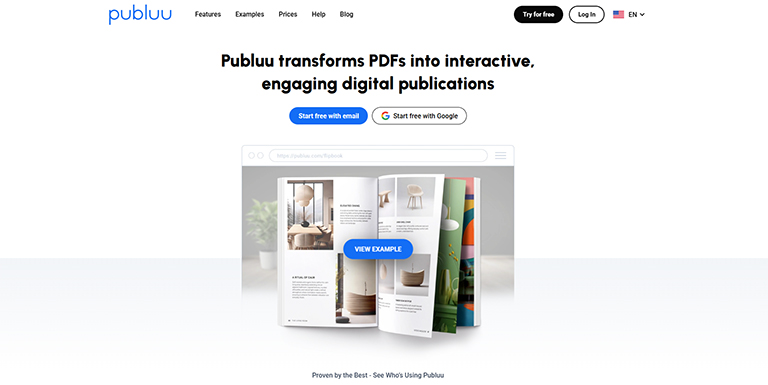
Publuu flipbooks thanks to built-in lead capture forms are one of the most effective solutions for real estate today. It lets you gather contact details from your readers and potential buyers right inside the document. Additionally, instead of sending a generic link to everyone, you can generate a unique one for each client. This lets you see exactly how much time they spent looking at that garden or the master bedroom. You even get a notification the second they open the file. No more guessing if a client saw your offer - you'll know the perfect moment to pick up the phone and close the deal.
Zillow Premier Agent (ZPA)
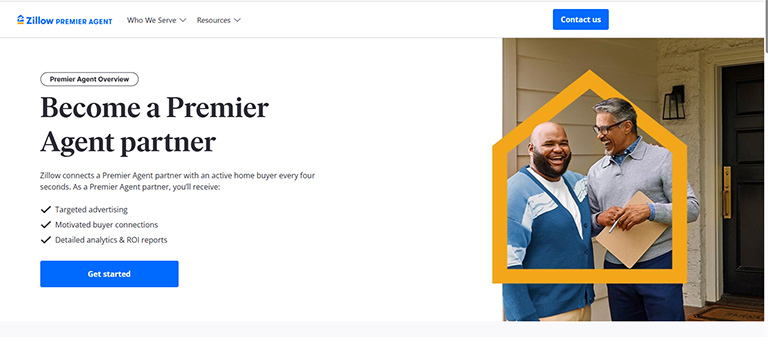
This is a paid advertising machine. It's the fastest way to get in front of buyers. They've got 230 million views a month over there - and over 50% of all real estate portal visits in the U.S. go to Zillow, more than double the next competitor. You pay for the spot, and you're right at the top. When someone starts their search in your area, your face is the first thing they see.
Follow Up Boss
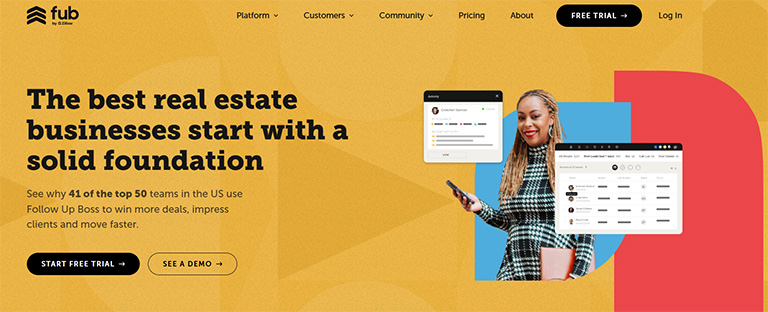
This one's great for teams that want everything under one roof without going bankrupt. The main selling point is its integrations - Follow Up Boss connects with a huge range of CRMs, lead portals, and communication tools, making it easy to manage every lead from first contact to close.
Google Business Profile
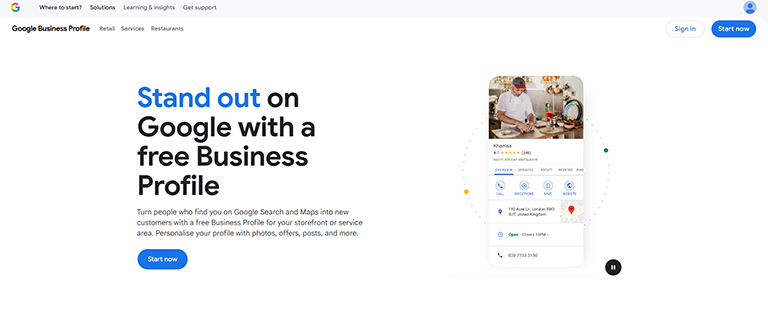
The best part about this one? It's completely free. Paid systems are great, but a solid Google Profile is pure gold for local trust. You set up a profile, put in your details, upload photos, and you're visible on the city map for everyone. People find you, call you, and you haven't spent a single penny. That's just smart business.
The easiest way to capture real estate leads with Publuu
These days, virtual tours are standard - everyone can scroll through interior photos. But a flipbook is a fresh, premium approach that blends the feel of traditional print with modern multimedia. Look how easy it is to start your flipbook's journey.
Step 1: Create a property flipbook
It's as simple as it gets. First, you have to prepare a PDF file in Word or Canva, then you convert it to Publuu. And that's where the fun begins. You add interactive elements like links, photo galleries that scroll by themselves, and even drone footage. And that's not all. You can even throw in a music soundtrack or a voiceover to build the right atmosphere and walk the client through the space.
Step 2: Add a lead capture form
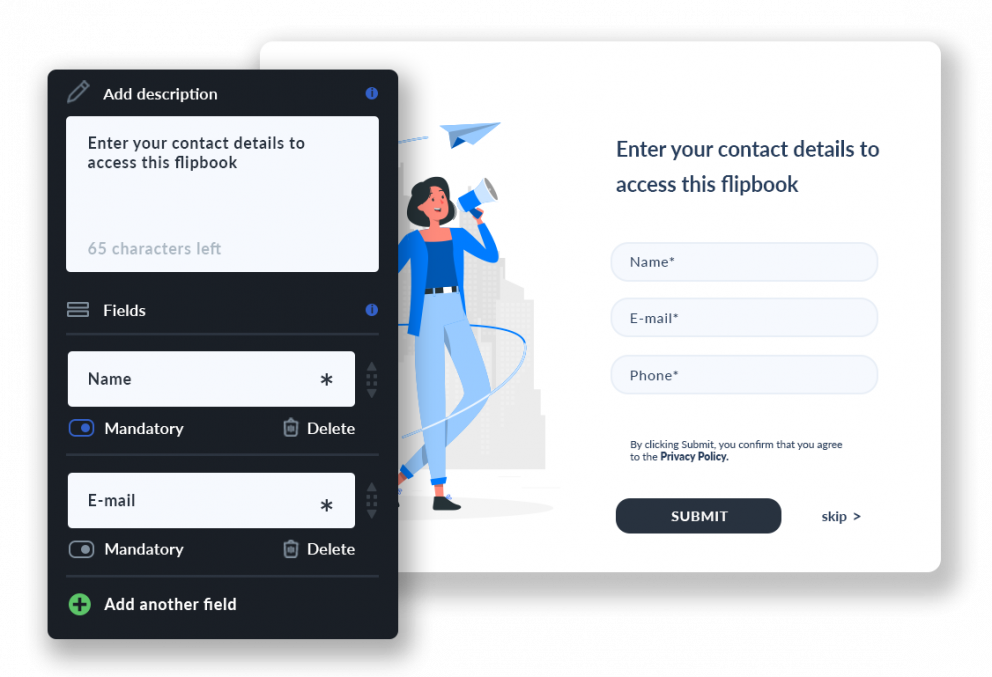
This is where the real value comes in. Publuu allows you to embed a contact form directly inside your flipbook. Think of it as a fair trade. Your reader gets access to exclusive content like a comprehensive area report or a pricing breakdown, and in exchange, they provide their contact info.
You can set the form to appear at the perfect moment, for example, after they've already read the first few pages and are genuinely interested. Once they fill it out, the lead is straight sent to your account. It's a simple way to grow your list while providing actual value to your potential clients.
Discover how easy it is to build a lead capture form in Publuu!
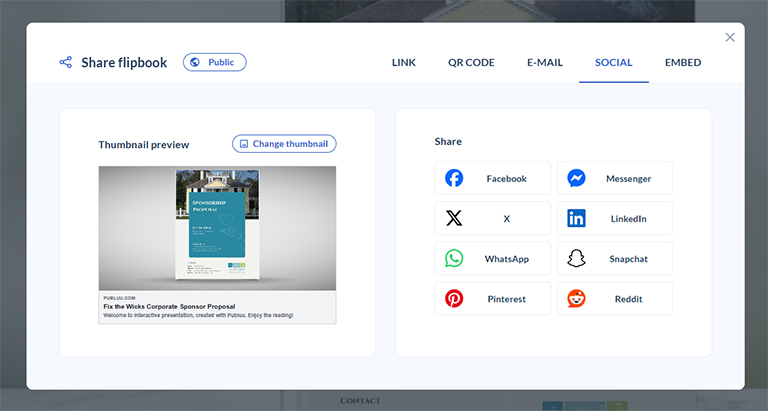
Once you've got it all ready, time to share your publication everywhere: on Facebook, in emails, and you can even make a QR code on a "For Sale" sign. But that's not the end. Detailed analytics let you see everything clearly: how many people looked at it, how long they spent on which page, and whether they filled out the form at all. This way you know if your "lead magnet" is working, or what could be done better.
Tips to improve real estate lead conversion
Collecting leads is only half the way. The real money is in conversion - turning a name on a screen into a client who actually signs a contract.
1. Respond fast
Speed is everything. When a lead comes in, you reply immediately. If you don't answer within 5 minutes, your chances of closing the deal drop fast. If you wait too long, that client has already gone to the competition or forgotten what they even asked about.
2. Don't give up too early
Most agents call once and quit. That's a mistake. But you need to stick to the point. The average client needs 8 to 12 contact attempts such as calls, texts, and emails before they even agree to a meeting. I know, it feels like you're being annoying, but most of the time people are just busy, not uninterested. Keep reaching out until you get a clear "yes" or "no".
3. Stop sending generic messages
If you send the same email to everyone, they'll ignore it. One person wants a garden, another wants a studio. Address them by name and focus on what they actually asked for. It takes an extra 60 seconds to personalize a message, but it makes them think: "Finally, an agent who actually listens". That's how you build real trust.
4. CRM is your best friend
Without a proper CRM, you'll lose track of your business. Use it to log every conversation and set reminders. We have to be realistic - your brain isn't built to remember that a guy named Mark wanted a 3-car garage six months from now. Use automation to stay in touch with older leads so you stay on their radar without doing all the work manually.
5. Never delete old contacts
Even if someone stops responding to you for a year, don't cross them off. Maybe they're saving up money for a new home? Keep them in your system, send holiday wishes once in a while, or drop them a line saying apartment prices have gone crazy again. Next thing you know, they remember you, and suddenly you've got a massive deal on the table.
Conclusion on real estate leads
Generating leads today isn't really about tricks... it's a consistent process. To succeed, you need to combine a strong online presence, personal branding, and interactive tools like flipbooks with a physical presence in your community. But above all, success comes down to the follow-up.
The agents who are winning today are the ones who are simply everywhere. You'll find them online, you'll see their ads, but you'll also bump into them at trade shows and festivals.
Build a solid plan, stay consistent, and keep your leads organized so they don't go to waste. In this industry, the deal belongs to the agent who stays in the game until the very end.
FAQ: Real estate leads explained
What does a lead mean in real estate?
In simple terms, a lead is a potential client who has shown interest in buying or selling a property. Some are just browsing listings, others are much closer to making a decision. Your job is to manage these connections and provide enough value to turn an inquiry into a signed contract.
Where do realtors get most of their leads?
Most leads come from two places: people you know and people searching online. Around half of all buyers find their agent through a referral or someone they've worked with before. For everyone else, the search starts online. This means being visible on big property portals, appearing in local Google results, and staying active on social media is essential. It's a bit like being known locally while also being easy to find online. You need both.
How can I get real estate leads for free?
You can start by using Publuu's free trial to create your first interactive flipbook and see how it captures real estate leads. It's a great way to test the platform without any cost. Another interesting tool is your Google Business Profile. It's free and makes you visible to everyone searching for a realtor in your neighborhood. You can also generate leads for free by staying active on social media, asking for referrals, and attending local community events.
You may be also interested in:
Real estate – all you need to know
Real estate social media marketing - top tips