Green marketing: what it is, how it works, and examples
Green marketing is currently top of the game - everyone wants to protect the planet and look good doing it. But in reality, it’s not just about advertising - it’s about proving that your business actually reduces waste, saves energy, or gives back to nature.
From this article, you'll learn what it means when companies talk about being "eco-friendly", how it works, and how you can do it right - whether by showing your efforts as an online flipbook or by launching other amazing initiatives.
What is green marketing?
Green marketing is a strategy where companies promote products and services by emphasizing their environmental benefits and commitment to sustainability. It’s not just about advertising – it’s about proving that the whole business cares about the planet, which helps build trust with eco-conscious customers.
Research syntheses show that transparent sustainability messaging strengthens trust and long-term brand value (see systematic review of green marketing).
Examples include eco-friendly production, reducing waste and emissions, using clean energy, being transparent about environmental impact, or supporting green initiatives like tree planting. With rising climate awareness, consumers increasingly choose brands that genuinely act for the environment – making green marketing both a responsibility and a competitive advantage.
How green marketing works?

Green marketing connects a company’s eco-friendly actions with customer choices. It usually involves a few key steps:
1. Make a real, eco-friendly change
Companies must take genuine action – not something fake or just for show (often called "greenwashing"). This might involve using recycled packaging, switching to solar power, or creating longer-lasting products - but the change must genuinely reduce environmental impact.
2. Tell customers about it clearly
The next step is communication. Brands might place eco-labels on their packaging, talk openly about sustainability in their campaigns, or present their efforts online using interactive content that’s easy to explore. If you want to do it yourself, check Publuu’s guide on creating your first flipbook. This way, customers don’t just read claims - they see real proof in engaging formats with charts, videos, and data.
3. Appeal to customer values
More and more people want to support brands that care about the planet. Green marketing depends on important values: by showing responsibility, companies build a deeper connection with customers, and trust in the brand grows.
4. Build a positive reputation
Keeping green promises consistently builds the image of a trustworthy, responsible brand. This strengthens brand value and encourages customer loyalty and recommendations.
5. Inspire further change
When one brand shows that sustainable actions actually pay off, others in the industry start paying attention. To keep up, other businesses start making their own eco-friendly changes. This creates a positive ripple effect, hopefully pushing the entire industry to be more environmentally conscious.
Benefits of green marketing
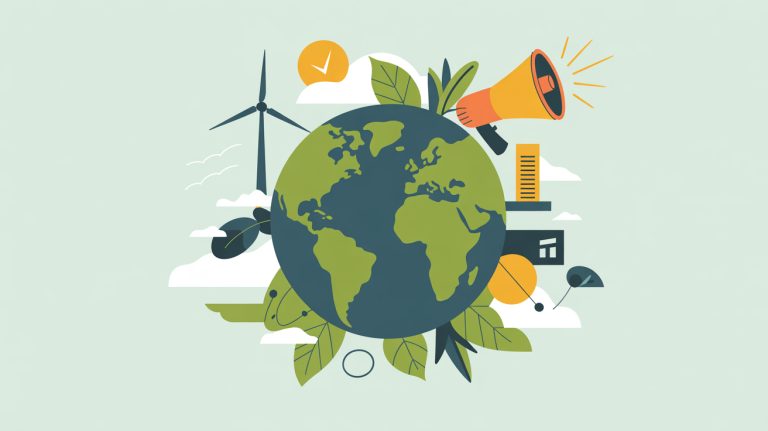
Green marketing isn’t just good for the planet - it’s also smart business. Here’s how it helps companies today:
- Attracts customers - over 75% of shoppers now check if a product is eco-friendly. Brands that prove their commitment gain trust and stand out, even with simple steps like using recycled bottles.
- Saves money - cutting energy and water use or choosing recycled materials lowers costs. Eco-friendly packaging is often cheaper to produce and recycle, bringing long-term savings.
- Eases compliance - with stricter regulations (e.g., EU climate plans in 2025), companies already using sustainable practices avoid fines and adapt more easily.
- Helps the planet - offsetting CO₂ emissions or switching to clean energy reduces pollution and drives industry-wide change.
Challenges of green marketing
There are many upsides to green marketing, yet doing it effectively can be tough. Below are some of the common difficulties companies run into:
The risk of greenwashing
This is the biggest challenge. Greenwashing occurs when a company pretends to be eco-friendly or exaggerates its actions without real change, like a "recyclable" label that few actually recycle, or a one-off tree-planting campaign.
Consumers quickly spot fake claims, and being exposed can destroy trust, reputation, and sales. That’s why green marketing must rely on measurable actions, data, and transparent communication.
High initial costs
Going green can be costly at first: new technologies, pricier raw materials, and process redesigns all add up. Still, these investments often pay off through lower energy use and less waste. It’s also worth remembering that "organic" doesn’t automatically mean better for the environment - some organic products require more water, land, or energy. Looking at your real environmental footprint, for example through a life cycle assessment, helps you make smarter decisions and focus on what truly makes a difference.
Consistent honesty and transparency
The overuse of "green" slogans makes consumers skeptical. To build trust, businesses must be open about their efforts: set clear goals, share progress, and admit areas for improvement. Real green marketing is an ongoing commitment, not a one-time trick.
Green marketing examples
Publuu flipbooks
Publuu flipbooks let you present your green initiatives in a modern, interactive way. This format looks like a real book but allows you to add links, charts, videos, and animations that showcase your environmental efforts. On top of that, it’s a more sustainable option - there’s no paper involved and no need for physical storage or transport.
Publuu's online flipbook example
MAKE YOUR OWN
Patagonia - "Worn Wear" program
Patagonia is a leader in sustainability. Through its "Worn Wear" program, the brand encourages people to fix and reuse their clothing rather than replace it with something new. The company offers free repair guides and even hosts events to teach people how to fix their gear. This shows that Patagonia values durability over constant sales.
Starbucks - "Green Stores" initiative
Starbucks aims to make its coffee shops more sustainable. Through its "Green Store" initiative, the company is working to cut waste, use 30% less water, and use 25% less energy. The company also made headlines by phasing out plastic straws, a move aimed at reducing plastic waste in oceans.
IKEA - "Buy Back & Resell" program
IKEA helps its furniture have a longer life. Through its "Buy Back & Resell" program, customers can sell their used IKEA furniture back to the store for a voucher. IKEA resells these items at a lower price, extending their lifespan and helping prevent usable furniture from ending up in landfills.
Unilever - plastic reduction initiative
Unilever, which owns brands such as Dove and Ben & Jerry’s, has committed to reducing its use of virgin plastic by 50%. For example, Dove now uses 100% recycled plastic for its bottles in North America and Europe.
Hershey - sustainable cocoa sourcing

Hershey is focused on sourcing its cocoa responsibly and aims to cut its greenhouse gas emissions by 50%. The company’s commitment to sustainable farming and production has made it one of the most environmentally responsible companies in the U.S.
Apple - using recycled materials
Apple is working to reduce its environmental footprint by using more recycled materials. The company aims to use 100% recycled rare earth metals in all its device magnets and 100% recycled tin and gold in its circuit boards.
Adidas - shoes made from ocean plastic
Adidas partnered with Parley for the Oceans to create shoes and clothing from recycled plastic waste found on beaches and in oceans. Each pair of shoes uses about 11 plastic bottles, turning a major pollution problem into a popular product.
Nike - "Move to Zero" campaign

Nike’s "Move to Zero" campaign is the brand’s initiative to achieve zero waste and zero carbon emissions. To support this goal, the company incorporates recycled materials into its shoes and apparel – for example, Nike Air soles are made with at least 50% recycled content.
Allbirds - carbon footprint labels
Allbirds includes a carbon footprint label on each product, clearly showing the environmental impact of making that item. This transparency allows customers to make informed choices. The company is also working to cut its carbon footprint in half by 2025 and to near zero by 2030.
Johnson & Johnson - shifting to renewable energy
Johnson & Johnson has announced plans to run all of its global operations on 100% renewable energy by 2025. The company is also aiming to be carbon neutral in its operations by 2030, showing a deep commitment to reducing its climate impact.
Green marketing strategies
Green marketing is more than just a trend. It's a way to build a brand that customers respect and that cares about the planet’s future. Here are some proven strategies to gain trust and stand out:
- Create products that last – focus on durability and use replaceable parts (e.g., phone batteries) so customers can repair items themselves.
- Choose recycled or plant-based materials by replacing traditional plastics with options like recycled cardboard or other innovative bio-based alternatives.
- Include repair kits and instructions – add spare parts (buttons, screws) and provide manuals as Publuu flipbooks with video tutorials.
- Design for efficient transport – make products space-saving (e.g., foldable headphones), lowering packaging costs and carbon footprint.
- Obtain eco-certifications – like FSC for wood or Cradle to Cradle, proving your products are genuinely eco-friendly.
- Justify higher prices – explain that costs reflect sustainable materials or carbon offsetting; customers pay for values, not just the product.
- Offer carbon-neutral delivery by working with logistics partners that offset emissions or by using tools that calculate and clearly communicate delivery-related impact.
- Move away from printed materials and focus on digital advertising instead – online campaigns and flipbooks reduce paper use and save valuable resources.
- Use renewable energy in production – power factories with solar, wind, or other clean energy to cut emissions and costs long-term.
- Be honest in marketing – avoid vague claims (“eco-friendly”), instead provide specifics (e.g., “packaging made from 100% recycled materials”).
Green marketing vs. traditional marketing
| Feature | Green marketing | Traditional marketing |
| Main focus | The planet, people, and profit | Profit and sales |
| Goal | Build long-term trust and loyalty | Achieve short-term sales targets |
| Message | Highlights values, transparency, and impact | Highlights price, features, and benefits |
| Relationship | A partnership with the customer | A transaction with the customer |
In short, traditional marketing focuses mainly on selling a product, while green marketing also focuses on a company's values and its positive impact on the world. It’s about showing customers that by choosing your brand, they are also making a good choice for the planet.
Best green marketing ideas
Educate your customers
Explain to customers why your sustainability efforts actually matter and how they make a difference. Use your website, blog, and social media to inform customers about your environmental efforts in a simple way and explain why they are important.
Measure and show your impact
Publish data, like how much waste or carbon your company reduced, using digital publications and infographics. Clear data and real numbers help build credibility and prove that your sustainability claims are backed by action, not just marketing slogans.
Continuously improve
Sustainability is a process, not a one-time goal. Show your customers that your company is constantly looking for new and better ways to reduce its environmental impact.
Essential green marketing facts
What is the purpose of green marketing?
The goal of green marketing is to promote products while clearly showing how they positively affect the environment. It helps companies:
- connect with customers who care about the planet;
- build a responsible brand;
- show a real commitment to sustainability.
Why is green marketing important?
Green marketing matters because a growing number of consumers actively choose brands that take environmental responsibility seriously. It helps businesses attract new customers, save money by reducing waste, stay ahead of environmental regulations, and make a positive impact on the world.
What are the challenges of green marketing?
The biggest challenges are avoiding greenwashing, managing the higher upfront costs of sustainable changes, and staying consistently transparent to earn and keep customer trust.
What is greenwashing?
Greenwashing happens when a company presents itself as environmentally friendly without backing it up with real, meaningful action. For example, labeling packaging as "recyclable" when it’s nearly impossible for most people to recycle.
What are the advantages of green marketing?
The key benefits of green marketing include:
- Attracting more customers: many people actively choose brands that show genuine care for the environment.
- Saving money: using less energy and creating less waste can lower business costs.
- Building a strong reputation: it supports a brand image based on trust, credibility, and responsibility.
- Making a positive impact: it directly supports environmental protection and long-term sustainability.
Conclusion on green marketing
Green marketing is more than just slapping a green sticker on the packaging. It comes down to making real, measurable changes and communicating them honestly - because that’s how genuine trust is built with customers who care about shared values.
With Publuu flipbooks, you can share your green journey in an amazing, professional way. Create stunning reports, manuals, and infographics to show that you're serious about protecting our planet's future.
You may be also interested in:
Retail marketing types, examples, and strategies
What is a digital engagement – a complete guide