Furniture catalog: How to create and present it online
Let's be real - when most of us want new furniture, we don't jump in the car and drive to IKEA. Those stores are usually way too far, so we do what everyone does: we grab our phones and start scrolling through websites and catalogs. In fact, most customer journeys today start online, even though the majority of purchases still happen in-store. So I'm definitely not the only one and it really shows how important an online catalog is these days.
Furniture shopping isn't like ordering books or electronics from Amazon. The price is much higher and delivery can take a lot of time, so people like me usually want to do more research and get more detailed information before making a purchase. That's why having the right catalog matters so much. In this article, we'll walk through what makes a great furniture catalog, how to plan and build one, and how to actually get it in front of people.
Furniture catalogs today: more than just product lists
In 2026 simply displaying a photo with dimensions and materials isn't enough to call it a catalog. This is a part of your marketing, which means you must build a story. A good catalog can show the furniture on its own, sure, but include real-life settings in a room so people can picture it in their own space. Some brands even throw in customer reviews or testimonials. More and more brands add 3D models, animations or videos, virtual tours or even apps like IKEA Place and honestly - that's where things are heading.
Your potential customers also want to know more than just how the new wardrobe looks. They ask questions like: Is it sustainable? Is it modular - can I add shelves later or swap out the doors? Are replacement parts available? Does it have any smart features? All of these should belong to your catalog. Below you can check the furniture catalog created as an interactive flipbook.
Publuu's interactive catalog example
Choose the right format for your furniture catalog
There's no single "best" format - it depends on your audience, your budget, and how interactive you want things to be. Here are the three main options worth considering:
Printed catalogs
Printed catalogs still have their place, especially in showrooms and at trade events. They're practical, memorable and feel real in your hand. They're great for leaving a lasting impression and work well as a leave-behind for clients who visit in person. You can find one years later and return to the company.
That said, print is expensive to produce and update. Every time you change a price, add a product, or fix a typo, you're looking at a reprint. And once they reach your customer, you have zero insight into whether anyone actually reads it.
PDF catalogs
Most companies still publish their catalogs as PDFs. After all, they're easy to make - sometimes just exporting a Word doc is enough, and they're simple to send off for printing if you need hard copies. You can also email them pretty easily, although the files can get pretty big.
That said, PDFs are pretty limited when it comes to interactivity, which matters if you want to include things like animation. They're also not the easiest to update unless you're working in software like InDesign or Affinity. Still, they're a solid starting point. You can create a simple version in Canva first and then build on it later if you want something more advanced.
Interactive flipbooks
A great middle ground between all these options. An interactive flipbook is basically a PDF converted into HTML5 with realistic page-turning effect - so it feels like a real catalog but enhanced with a range of interactive features.
With Publuu flipbooks, you can add photo galleries, GIFs, embedded videos, sound effects and clickable hotspots. You can also collect leads directly within the catalog using built-in forms, turning passive readers into potential customers. Product tags with wishlist functionality make it easier for users to save items and revisit them later, which supports both engagement and purchase intent.
One of the biggest advantages is the ability to update the content at any time while keeping the same link. Check our video below:
What should a furniture catalog include?
Your furniture catalog should not only be intuitive to navigate, but also packed with key information and actual inspiration. That's what will help your customers make the best decision. Here's what you should include:
An eye-catching cover
Don't rely on a static photo of the furniture. Add some dynamism to bring it to life. Pets playing, smiling family members - something that proves your furniture is simply being used and loved.
This is where the magic of storytelling comes in: when we see a couple relaxing on a comfortable bed, we immediately think - "This could be me". So my first tip for catalog-makers would be: skip the artificial, stock photos. Go for authentic photos of your furniture in real, home interiors.
Table of contents and index
Leave these for the very end, once the entire catalog is ready. Make sure they match the rest visually and maintain consistency.
Clear division into categories
Kitchen, living room, bedroom, home office - each section should have its own recognizable visual style so people can find what they're looking for quickly. Depending on your company, you might also break things down by product type - chairs, tables, storage and so on.
Comprehensive product description

A good product needs great presentation. Keep these elements in mind:
- High-quality photos - use clear, well-lit images that show the product from multiple angles, along with lifestyle shots that place it in real interiors.
- Technical specifications - dimensions, materials used and weight.
- Customization options - available colors, fabrics, and finishes.
- Product code (SKU) - a unique identifier that helps customers and sales teams quickly find and reference the exact product.
- Important information - order details, shipping costs, warranty, and certifications.
- Instructions - link to assembly and care guides. Customers love having these right in the catalog instead of hunting for them later.
Benefit-based descriptions
Avoid dry, technical language. Instead of "large storage capacity" say something like "space for everything you love". Talk about how a piece of furniture will actually improve someone's space (and life). Testimonials and reviews from real buyers are great to weave in here too.
Tips and FAQs
Some customers have absolutely no idea how to decorate a room. Short guides and answers to frequently asked questions (FAQs) can be lifesavers. Thanks to them, your catalog becomes a valuable source of knowledge that people are happy to return to. And by the way, this will greatly improve your search engine optimization (SEO).
About your brand
Share a quick company story, introduce the people behind the products, and make your contact info easy to find.
How to create a furniture catalog?

Before you start arranging products on your pages, it's a good idea to plan the entire process carefully. A clear structure helps you present your offer in a way that feels natural and easy to follow.
Understand your customer's journey
Start by putting yourself in the buyer's shoes. Think about what they expect, what they're most likely to click on, and how they make purchasing decisions. Also take a look at your competitors' catalogs and ask yourself: what catches your eye? See what customers prioritize most - is it free shipping, low prices, cool promotions or perhaps the ease of browsing the selection?
Review furniture photos and product details
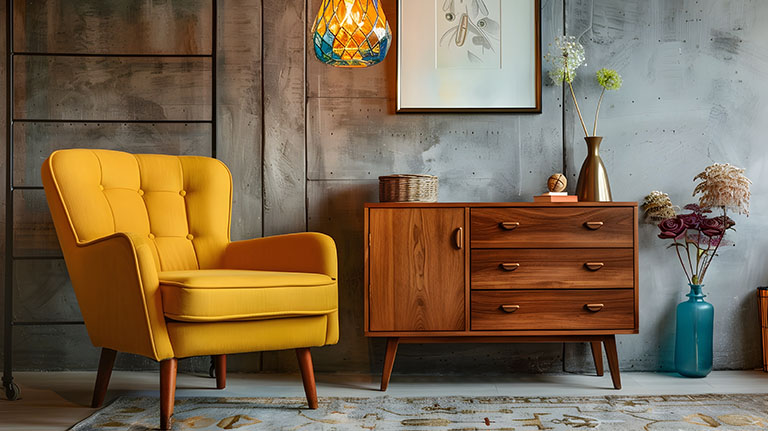
Take a look at your products. Do your current furniture photos still look good? Trends and technology are evolving, so you may need new, higher-resolution photos.
If you're creating new visuals, focus on proper staging and lighting. Arrange the furniture in a realistic setting, use clean compositions, and capture multiple angles. Professional photography makes a significant difference in how your products are perceived. In post-production, keep edits subtle. Adjust lighting and color balance, but avoid altering the product itself. Customers need to see what they are actually buying.
Take it to the next level: 3D and video
Go beyond static images by preparing interactive content you can later add to your catalog. 3D models allow customers to explore furniture from every angle and understand details more clearly. Once ready, you can add them to your flipbook as interactive elements that make your catalog more engaging to browse.
Short videos help show how products work in real situations. Focus on key interactions such as how a chair adjusts, how a sofa unfolds or how a cabinet is assembled. Adding this type of content to your catalog makes each product easier to understand and more engaging to browse.
Catalog design and layout
If you don't have much graphic design experience, Canva and its ready-made templates are a great choice. Thanks to Canva's integration with Publuu, you can turn your design into an interactive catalog in minutes.
Create master pages to maintain visual consistency, and then start arranging products and your offer. Honestly, this isn't complicated and there are many tutorials available online.
Design clear product description boxes. Before publishing, have a professional editor or proofreader review the text.
The final step: publishing and refining
Once your catalog is ready, choose the format that fits your needs. You can share it as a printed version, a PDF or publish it online.
The way you present your catalog plays a key role in how customers interact with it.
How to present your furniture catalog online?
With the right presentation, a simple PDF becomes engaging content that people bookmark, visit and check out regularly. Without a presentation, driving sales is out of the question.
Digital flipbooks are one of the most effective ways to present your catalog online. They offer a more structured and reliable way to share your content than standard PDF links, making it easier to browse and explore. Flipbooks come with multiple sharing options, allowing you to easily distribute your catalog via direct links, social media, or embedding it on your website. You can also track how readers interact with your catalog, which helps you understand what works and improve your content over time.
Publuu's interactive magazine example
Common mistakes to avoid in a furniture catalog
Creating a high-quality catalog that brings in results, you need to focus on an elegant and professional look. There are a couple of mistakes that can bring your project down.
Take care of high quality photography - blurry, poorly lit images make you look shady. You need product photos when you're presenting your products. Avoid stock photos or AI. This visual integrity must be consistent: use only one font for the text, another for headers, mixing all these styles feels like a chaotic mix.
Once you have their visual attention, move to information. If people can't find things they were looking for: dimensions, materials, or pricing, they'll move on. If this information is inconsistent, you'll also lose sales. Remember about updating as often as possible - every season or year.
Finally, way too many people forget about a call to action: push the customer to do what you want them to do.
Final thoughts on creating a furniture catalog
A well-designed furniture catalog is more than a product list. It helps customers explore options, compare products, and make confident decisions. Focus on clarity, consistency, and strong visuals to make your catalog easy to navigate and engaging.
Think also about presentation and usability. The right format can turn your furniture catalog into a resource customers return to and explore over time.
You may be also interested in:
How to boost your online catalog with Publuu’s shopping list?
5 tips to make your catalogs stand out
Catalog design ideas